Keynote Speaking Preparation: Deliver Inspiring Keynote Presentations
Master keynote speaking with this comprehensive guide. Learn how to craft inspiring messages, command the stage, and deliver keynotes that audiences remember.
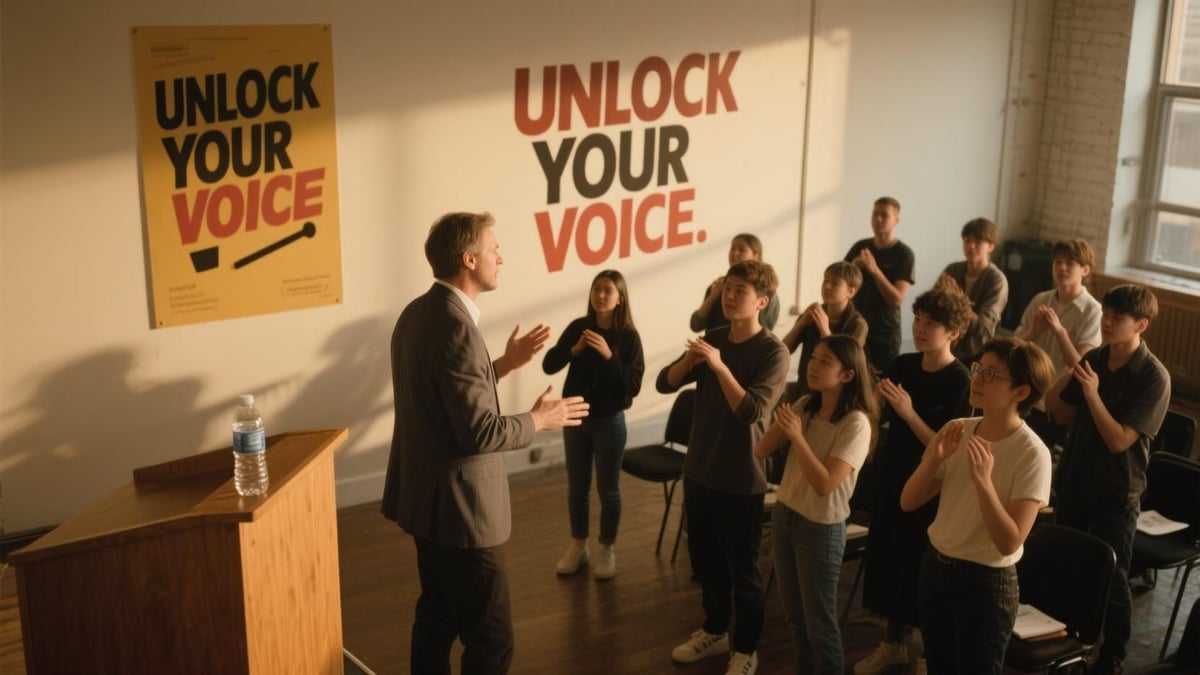
Keynote Speaking Preparation: Deliver Inspiring Keynote Presentations
Keynote speaking is the pinnacle of public speaking. As a keynote speaker, you set the tone for an entire event, inspire audiences, and deliver messages that resonate long after the event ends. This comprehensive guide teaches you how to prepare and deliver keynote presentations that captivate, inspire, and transform audiences.
What Makes a Keynote Different
Keynote vs. Regular Presentation
Keynote Characteristics:
- Purpose: Inspire and set event tone
- Length: 30-60 minutes typically
- Audience: Entire conference (100-5000+ people)
- Content: Big ideas and inspiration
- Style: Highly polished and rehearsed
- Impact: Memorable and transformative
Regular Presentation:
- Purpose: Educate and inform
- Length: 20-45 minutes typically
- Audience: Breakout session (20-200 people)
- Content: Specific topics and tactics
- Style: Professional but less formal
- Impact: Practical and actionable
The Keynote Speaker's Role
Responsibilities:
- Set the emotional tone
- Inspire and motivate
- Provide fresh perspectives
- Create shared experience
- Leave lasting impression
- Represent event values
Expectations:
- Exceptional stage presence
- Polished delivery
- Compelling content
- Professional appearance
- Flexibility and adaptability
- Promotional support
Developing Your Keynote Message
Finding Your Core Message
The Big Idea:
- What's the one thing you want them to remember?
- What belief do you want to change?
- What action do you want to inspire?
- What feeling do you want to create?
Message Criteria:
- Universal: Relevant to entire audience
- Timely: Addresses current challenges
- Actionable: Provides clear path forward
- Memorable: Sticks in their minds
- Authentic: True to your experience
Example Core Messages:
- "Failure is the path to innovation"
- "Leadership starts with vulnerability"
- "The future belongs to the curious"
- "Change begins with one person"
The Keynote Structure
Opening (10%):
- Powerful hook
- Establish credibility
- Preview journey
- Create connection
Body (70%):
- 3-5 main points
- Supporting stories
- Evidence and examples
- Emotional peaks and valleys
Closing (20%):
- Synthesize key points
- Inspiring call to action
- Memorable final moment
- Leave them transformed
The Hero's Journey Framework
Perfect for Keynotes:
1. Ordinary World
- Where we are now
- Current challenges
- Shared struggles
2. Call to Adventure
- The opportunity
- What's possible
- The vision
3. Refusal of the Call
- Obstacles and fears
- Why it's hard
- Common resistance
4. Meeting the Mentor
- Guidance received
- Lessons learned
- Wisdom gained
5. Crossing the Threshold
- Taking action
- Making commitment
- Starting journey
6. Tests and Trials
- Challenges faced
- Failures and setbacks
- Growth through struggle
7. The Ordeal
- Darkest moment
- Critical decision
- Transformation point
8. Reward
- Victory achieved
- Lessons learned
- New understanding
9. The Road Back
- Applying lessons
- Sharing wisdom
- Inspiring others
10. Return with Elixir
- Transformed state
- Gift to share
- Call to action
Crafting Compelling Content
The Power of Story
Why Stories Work:
- 22x more memorable than facts
- Create emotional connection
- Make abstract concepts concrete
- Build trust and credibility
- Inspire action
Story Types for Keynotes:
1. Personal Transformation
- Your journey
- Challenges overcome
- Lessons learned
- How it changed you
Example: "Ten years ago, I was fired from my dream job. I thought my career was over. But that failure led me to discover my true calling..."
2. Customer/Client Success
- Their challenge
- Your solution
- Their transformation
- Universal lesson
3. Historical Parallel
- Past event or figure
- Relevant lessons
- Modern application
- Timeless wisdom
4. Hypothetical Future
- Paint vision
- Show possibilities
- Create urgency
- Inspire action
Balancing Content Types
The Mix:
- 40% Stories - Emotional connection
- 30% Data/Evidence - Logical support
- 20% Insights - Original thinking
- 10% Humor - Engagement and relief
Emotional Arc:
- Start high (excitement)
- Dip low (challenge/conflict)
- Build up (hope/solution)
- Peak high (inspiration/action)
- End highest (transformation)
Creating Memorable Moments
Signature Moments:
1. The Reveal
- Unexpected information
- Surprising statistic
- Personal disclosure
- Plot twist
2. The Demonstration
- Live experiment
- Physical metaphor
- Audience participation
- Visual proof
3. The Callback
- Reference opening
- Recurring theme
- Full circle moment
- Satisfying closure
4. The Challenge
- Direct call to action
- Specific commitment
- Audience pledge
- Shared mission
Stage Presence and Delivery
Commanding the Stage
Physical Presence:
Posture:
- Stand tall and confident
- Shoulders back, chest open
- Weight balanced
- Grounded stance
Movement:
- Purposeful, not pacing
- Move on transitions
- Use full stage
- Approach audience
Gestures:
- Large and visible
- Match your words
- Natural and authentic
- Emphasize key points
Facial Expressions:
- Genuine emotion
- Smile appropriately
- Show passion
- Connect with eyes
Vocal Mastery
Volume:
- Project to back row
- Vary for emphasis
- Whisper for intimacy
- Boom for power
Pace:
- Slower than conversation
- Pause for impact
- Speed up for excitement
- Slow down for importance
Pitch:
- Vary to maintain interest
- Lower for authority
- Higher for enthusiasm
- Avoid monotone
Tone:
- Warm and authentic
- Passionate and energetic
- Confident and assured
- Appropriate to content
The Power of Pause
Strategic Pauses:
After Questions:
- Let them think
- Build anticipation
- Show confidence
Before Key Points:
- Signal importance
- Focus attention
- Create drama
After Emotional Moments:
- Let it land
- Allow processing
- Respect the moment
During Transitions:
- Mark section changes
- Give mental break
- Reset energy
Rehearsal and Preparation
The Rehearsal Process
Phase 1: Content Rehearsal (2-3 weeks out)
- Practice sections individually
- Refine wording
- Test stories
- Adjust timing
Phase 2: Full Run-Throughs (1-2 weeks out)
- Complete presentation 5-10 times
- Time each section
- Record and review
- Get feedback
Phase 3: Performance Rehearsal (Week of event)
- Practice in similar space
- Wear presentation clothes
- Use actual equipment
- Simulate real conditions
Phase 4: Final Polish (Day before)
- Light run-through
- Focus on opening/closing
- Visualize success
- Rest and prepare
Memorization Strategy
What to Memorize:
- ✅ Opening (word-for-word)
- ✅ Closing (word-for-word)
- ✅ Key transitions
- ✅ Critical statistics
- ✅ Signature phrases
What to Keep Flexible:
- Story details
- Examples
- Explanations
- Audience interactions
Memorization Techniques:
- Chunking (small sections)
- Repetition (practice often)
- Visualization (see yourself delivering)
- Association (link ideas together)
Technical Preparation
Slide Design:
- Minimal text
- High-impact visuals
- Consistent branding
- Readable from distance
- Backup plan ready
Equipment Checklist:
- Presentation clicker
- Backup laptop
- Adapters (all types)
- Microphone preference
- Water bottle
- Emergency kit
Venue Preparation:
- Visit space beforehand
- Test AV system
- Check sightlines
- Understand lighting
- Know stage layout
Managing Pre-Speech Nerves
Physical Preparation
Day Before:
- Get good sleep (7-9 hours)
- Eat nutritious meals
- Stay hydrated
- Light exercise
- Avoid alcohol
Day Of:
- Light breakfast
- Hydrate continuously
- Avoid dairy (mucus)
- Limit caffeine
- Warm up voice
Pre-Stage Routine:
- Power poses (2 minutes)
- Deep breathing
- Vocal warm-ups
- Positive visualization
- Physical movement
Mental Preparation
Mindset Shifts:
From: "They're judging me" To: "They want me to succeed"
From: "I might fail" To: "I'm prepared and ready"
From: "This is about me" To: "This is about serving them"
Visualization:
- See yourself succeeding
- Feel the positive energy
- Hear the applause
- Experience the confidence
Affirmations:
- "I am prepared"
- "My message matters"
- "I serve my audience"
- "I am confident and capable"
Handling the Unexpected
Common Challenges
Technical Failures:
- Slides don't work
- Microphone issues
- Video won't play
- Clicker malfunctions
Response:
- Stay calm and professional
- Use humor to diffuse
- Have backup plan
- Continue without tech if needed
Audience Issues:
- Low energy
- Distractions
- Hostile attendees
- Small turnout
Response:
- Adjust energy level
- Address directly if needed
- Stay positive
- Focus on those engaged
Time Changes:
- Running over
- Running under
- Schedule changes
- Shortened slot
Response:
- Have flexible content
- Know what to cut
- Can expand or contract
- Maintain quality
Recovery Techniques
If You Forget:
- Pause and breathe
- Check notes if needed
- Acknowledge naturally
- Continue confidently
If You Stumble:
- Don't apologize
- Keep moving forward
- Audience won't notice
- Stay confident
If Something Goes Wrong:
- Acknowledge with humor
- Show you're human
- Handle gracefully
- Move on quickly
Engaging Large Audiences
Connection Techniques
Eye Contact:
- Scan entire room
- Hold gaze 3-5 seconds
- Include all sections
- Make it personal
Audience Interaction:
- Ask questions
- Request show of hands
- Quick turn-and-talk
- Shared experiences
Inclusive Language:
- Use "we" not "you"
- Share vulnerability
- Acknowledge diversity
- Create community
Energy Management:
- Match their energy
- Lift when low
- Calm when high
- Read the room
Creating Shared Moments
Collective Experience:
- Group activities
- Shared laughter
- Emotional moments
- Common commitments
Examples:
- "Everyone stand up..."
- "Turn to your neighbor..."
- "Raise your hand if..."
- "Let's all commit to..."
Post-Keynote Strategy
Immediate Follow-Up
On Stage:
- Thank organizers
- Provide resources
- Invite connection
- Make yourself available
After Stage:
- Stay for questions
- Network actively
- Sign books if applicable
- Take photos
Same Day:
- Social media posts
- Thank organizers publicly
- Share key moments
- Engage with attendees
Leveraging Your Keynote
Content Repurposing:
- Blog post series
- Video clips
- Podcast episode
- LinkedIn articles
- Book chapter
Marketing Materials:
- Professional photos
- Video recording
- Testimonials
- Case study
- Speaker reel
Future Opportunities:
- Request referrals
- Update speaker page
- Pitch to bureaus
- Submit to more events
Building a Keynote Speaking Career
Developing Your Topics
Signature Topics:
- Based on expertise
- Proven with audiences
- Unique perspective
- Timely and relevant
Topic Development:
- Start with one core topic
- Refine through delivery
- Add variations
- Expand portfolio
Pricing Your Services
Factors:
- Experience level
- Audience size
- Event prestige
- Travel required
- Preparation time
Typical Ranges:
- Emerging: $2,500-$7,500
- Established: $7,500-$15,000
- Expert: $15,000-$30,000
- Celebrity: $30,000+
Working with Speaker Bureaus
Benefits:
- Access to more opportunities
- Professional representation
- Higher fees
- Less admin work
Considerations:
- Bureau takes 25-30% commission
- Less control over bookings
- Must meet their standards
- Exclusive agreements
Key Takeaways
- Keynotes inspire and transform, not just inform
- Develop one powerful core message
- Master the art of storytelling
- Command the stage with confidence
- Rehearse extensively
- Handle challenges gracefully
- Leverage every opportunity
Your Keynote Preparation Checklist
Content Development:
- Define core message
- Structure using Hero's Journey
- Craft compelling stories
- Create emotional arc
- Design signature moments
Rehearsal:
- Practice 10+ times
- Record and review
- Get feedback
- Memorize opening/closing
- Time precisely
Technical:
- Create visual slides
- Test all equipment
- Prepare backups
- Visit venue
- Check AV system
Performance:
- Warm up physically
- Prepare mentally
- Arrive early
- Connect with audience
- Deliver with confidence
Follow-Up:
- Network actively
- Share content
- Request testimonials
- Leverage recording
- Seek more opportunities
Related Resources
Conclusion
Keynote speaking is both an art and a skill that can be mastered with dedication and practice. By developing a powerful message, crafting compelling content, and delivering with confidence, you can inspire audiences and build a successful keynote speaking career. Start with your unique expertise, refine your message, and take every opportunity to practice and improve.
Remember: Every keynote speaker started somewhere. The difference between good and great keynote speakers isn't talent—it's preparation, practice, and persistence. Your message deserves to be heard. Start preparing your keynote today.
Ready to deliver your first keynote? Identify your core message, structure it using the Hero's Journey, and start practicing. Your keynote speaking career begins with that first powerful message.